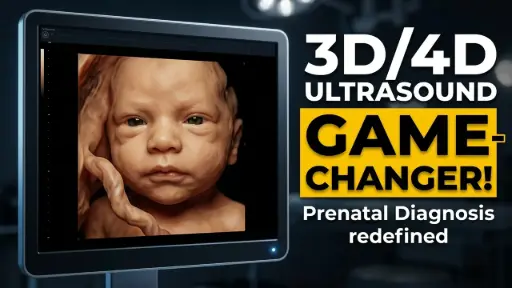
The First Trimester Measurements
ultrasound basics
sonography
ultrasound
obstetric ultrasound
ultrasound education
ultrasound training
fetal ultrasound
fetal biometry
first trimester
pregnancy ultrasound
crl measurement
crl scan
early pregnancy
embryo dating
gestational age
msd dating
msd measurement
msd scan
pregnancy scan
usg dating
first trimester pregnancy
early pregnancy scan
early pregnancy ultrasound
how to measure crown rump length
crl
first trimester scan
usg
dating scan
first trimester ultrasound
Focuses on the critical parameters used during early pregnancy. This session covers the standardized techniques for measuring the Mean Sac Diameter (MSD) and Crown-Rump Length (CRL), which are vital for establishing accurate gestational dating and assessing early fetal health.
Mastery Reward
Complete this lesson and pass the quiz to earn 10 Karma Points and move one step closer to your Essentials of Fetal Biometry Certification.
Rating
0
0
There are no comments for now.
1.
What are the THREE primary goals of first-trimester biometry?
2.
How is the Mean Sac Diameter (MSD) calculated?
3.
Where should calipers be placed when measuring the gestational sac?
4.
At what MSD should a yolk sac ALWAYS be visible on transvaginal ultrasound?
5.
An MSD of 28 mm with NO visible embryo on transvaginal scan suggests:
6.
Why is CRL considered the "gold standard" for gestational age dating?
7.
What fetal position is REQUIRED for an accurate CRL measurement?
8.
What is the predictable CRL growth pattern during the first trimester?
10.
After which gestational age does CRL become LESS reliable for dating?
11.
What is the most accurate first-trimester biometric parameter for estimating gestational age?
12.
The crown-rump length (CRL) is measured in a straightened fetal position for accuracy.
13.
The crown-rump length (CRL) is typically used for pregnancy dating up to which gestational age?
14.
The growth rate of the crown-rump length (CRL) in early pregnancy is approximately 1 mm per day.
15.
A gestational sac with an MSD of 15 mm but no visible yolk sac is considered:
16.
When measuring the mean sac diameter (MSD), which technique is correct?