The Crown-Rump Length (CRL)
ultrasound basics
sonography
ultrasound
obstetric ultrasound
fetal ultrasound
fetal biometry
first trimester
pregnancy dating
fetal biometry ultrasound
crl measurement
crl scan
gestational age
usg dating
how to measure crown rump length
first trimester scan
usg
dating scan
first trimester ultrasound
ultrasound course
crl dating
crl technique
fetal measurements
crown rump length ultrasound
crl measurement technique
crown rump length measurement
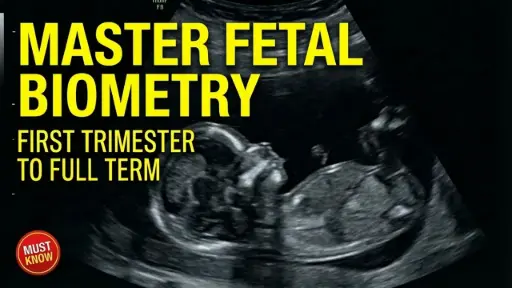
This module details the Crown-Rump Length (CRL) measurement, the gold standard for first-trimester dating. It provides step-by-step guidance on identifying the longest fetal axis and maintaining the precise orientation required for a reliable assessment.
Mastery Reward
Complete this lesson and pass the quiz to earn 10 Karma Points and move one step closer to your Essentials of Fetal Biometry Certification.
Rating
0
0
There are no comments for now.
1.
Using a transvaginal transducer, what is the minimum CRL at which an embryo can be reliably identified?
2.
When the Mean Sac Diameter (MSD) reaches ~14 mm, what CRL is the embryo expected to have?
3.
Which measurement provides more accurate gestational age estimation in early pregnancy?
5.
What is the ideal gestational window for CRL-based dating to achieve the highest accuracy?
6.
Once gestational age has been established by an early CRL or MSD measurement, what should you do if a later scan suggests a different age?
7.
What does Crown-Rump Length (CRL) measure in early pregnancy?
8.
Crown-Rump Length (CRL) is the most reliable method for dating pregnancies between 6 to 14 weeks of gestation.
9.
Which of the following is the ideal time frame for obtaining an accurate Crown-Rump Length (CRL) measurement?
10.
The Crown-Rump Length (CRL) measurement can be used to estimate gestational age up to 14 weeks of pregnancy.
11.
How does CRL contribute to screening for chromosomal abnormalities in the first trimester?